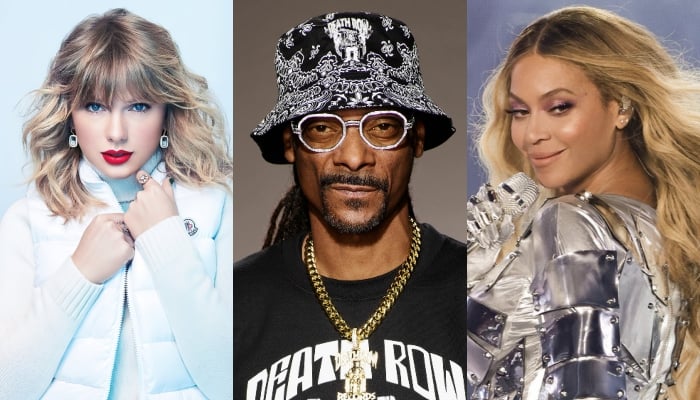
Social media changed how brands talk to customers. Now top collaborations play out on Instagram Stories, TikTok challenges and long YouTube pieces and they build real bonds that old ads could not.
Companies often see sales and share prices rise after announcing a celebrity partner. The real payoff comes when stars do more than promote products, they help make experiences, share behind-the-scenes moments and speak directly to fans so followers feel included.
1. Taylor Swift And Capital One (2023-2024)
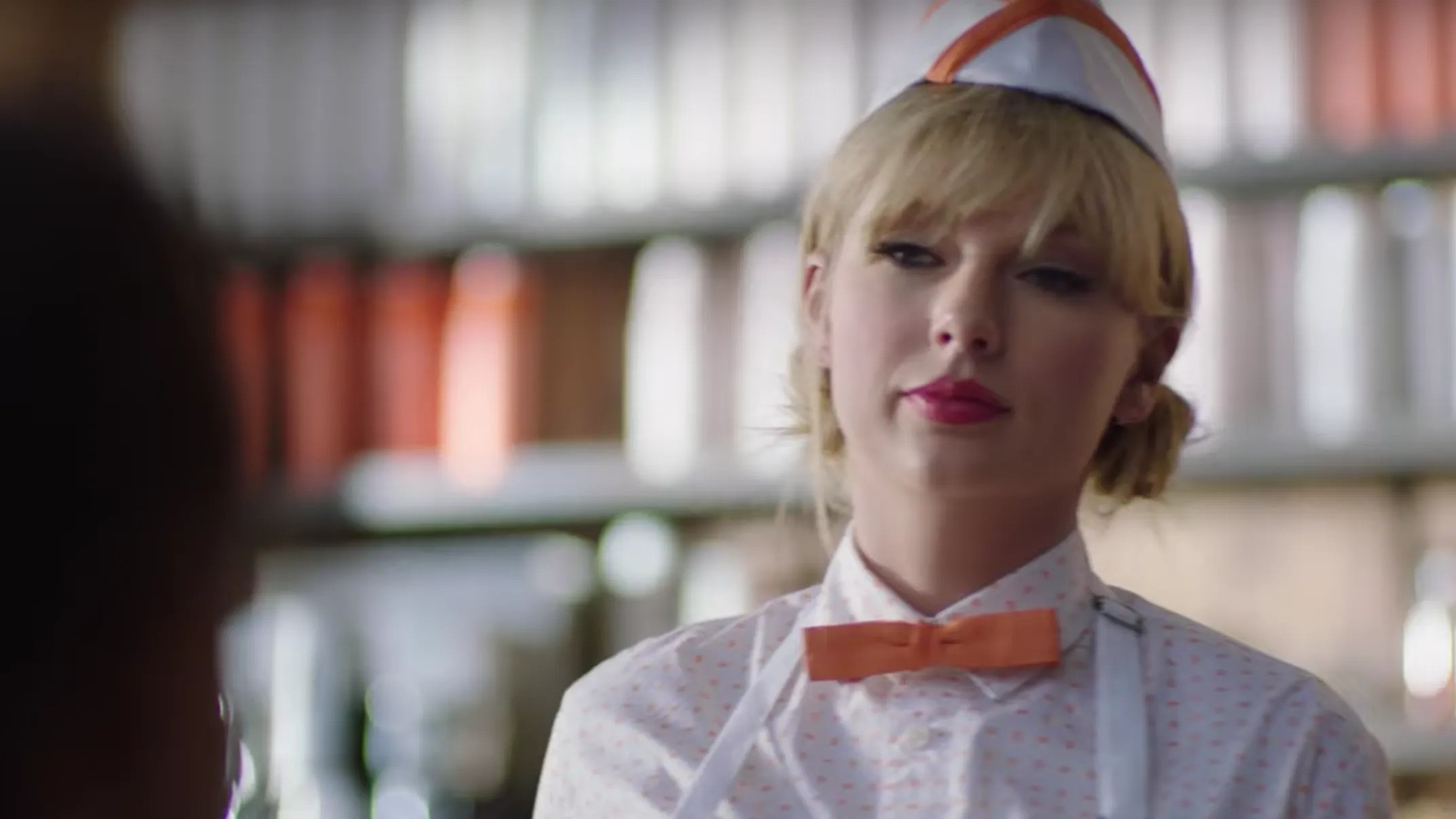
Taylor Swift teamed up with Capital One to tie her Eras Tour to a co-branded credit card that offered early ticket access and special merchandise. The limited-edition cards became collectible and drove a big rise in applications, about 30 percent during the promotion.
Swift shared behind-the-scenes clips and personal notes on Instagram, TikTok and Twitter, making cardholders feel chosen and connected. That real-time interaction built excitement faster than normal ads.
2. Zendaya And Louis Vuitton (2024)
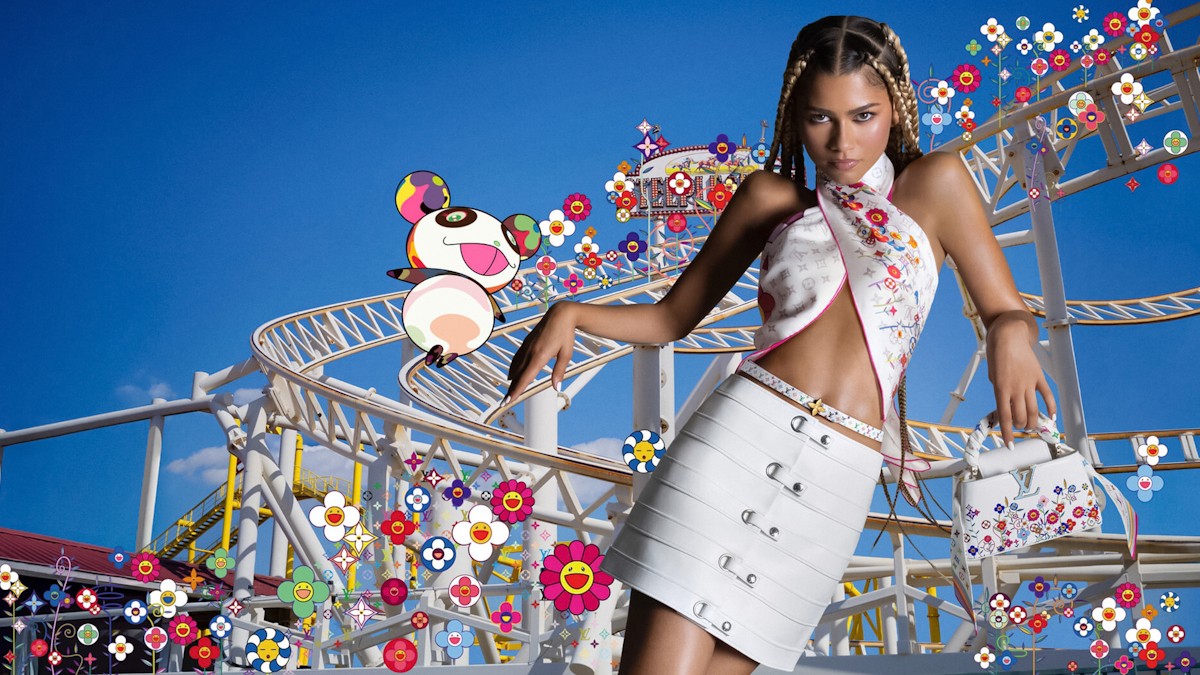
Zendaya led Louis Vuitton’s "Timeless Elegance" push and brought a younger, modern touch to the brand. Limited collections she helped curate sold out quickly and lifted sales by around 25 percent.
Short styling videos on Instagram, TikTok trends and Twitter talk kept the moment alive and helped new shoppers relate to luxury. Her polished, down-to-earth image fit the brand’s move toward younger buyers.
3. Zendaya And On Running (2024)
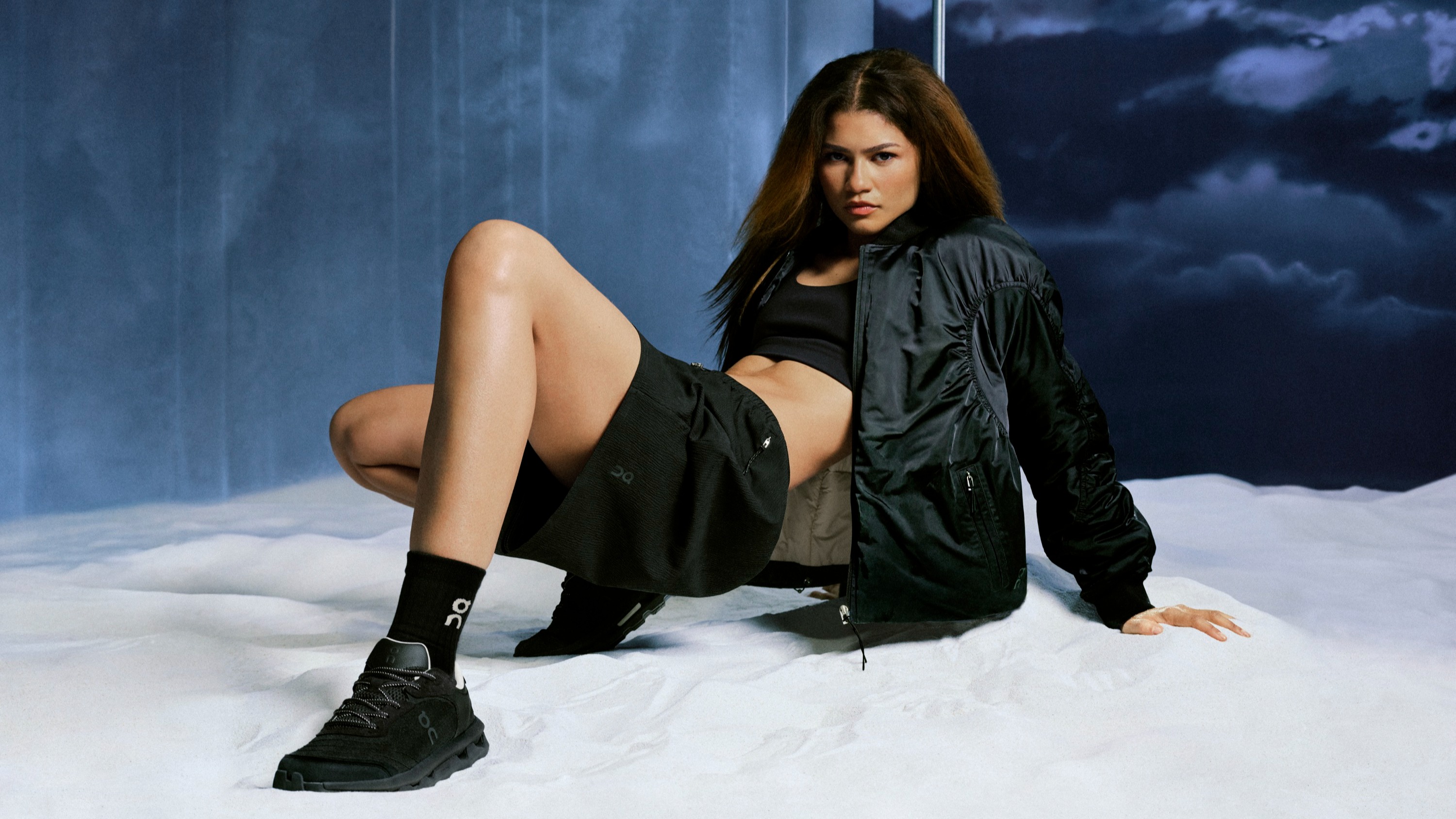
Zendaya joined On Running in a creative partnership that launched with a short film called "Dream Together" focused on movement and wellness. She worked on design and messaging, so the project felt genuine instead of a simple endorsement.
The campaign used Instagram stories, YouTube clips and community challenges to invite people to share their own fitness moments. The result set On Running apart from bigger sports brands.
4. Ryan Reynolds And Mint Mobile (2019-2024)
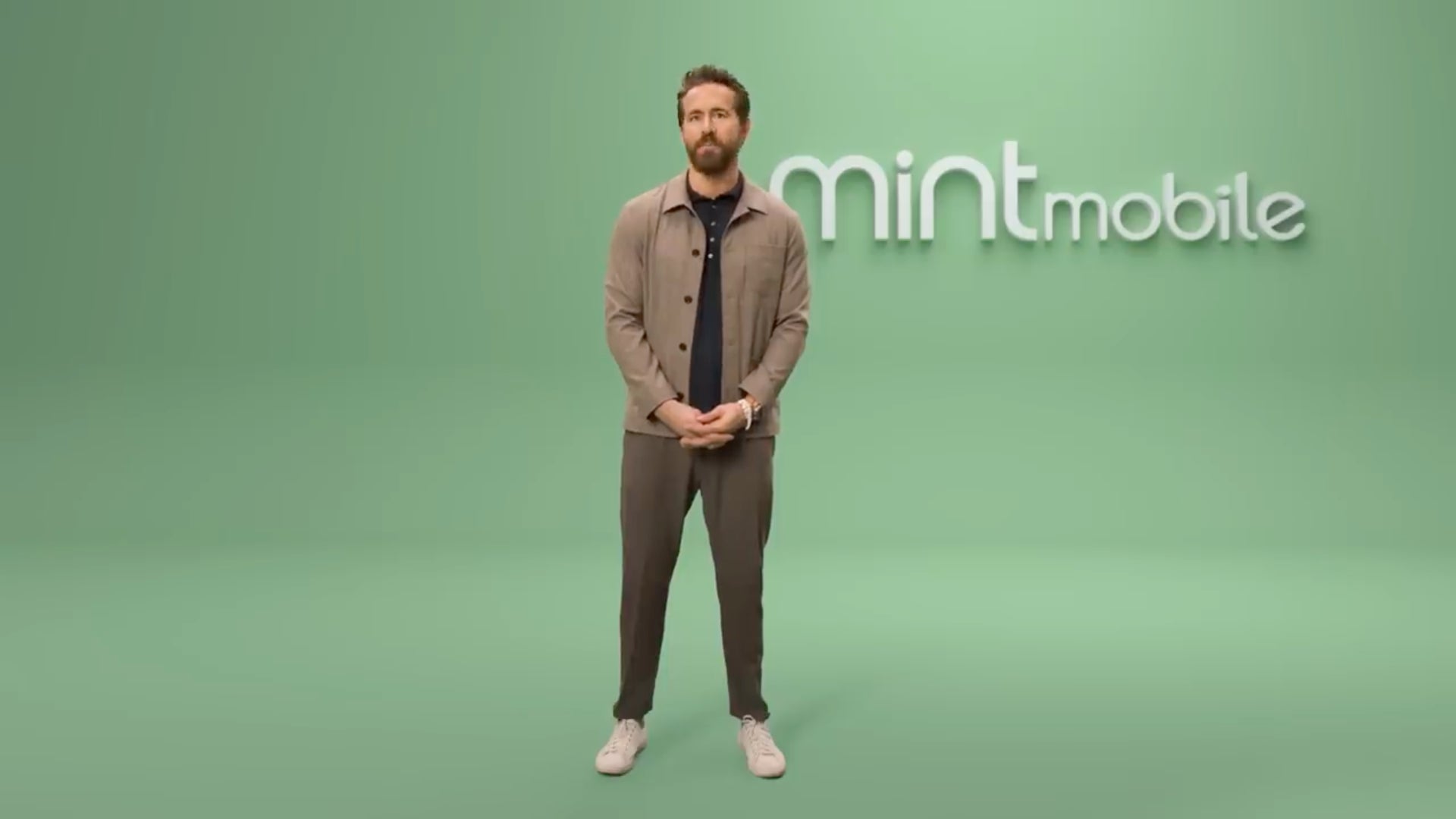
Ryan Reynolds bought Mint Mobile after partnering with the company and turned it into a standout marketing story. His humor and candid posts helped the brand grow massively and a mockumentary-style series called "Minted" pushed subscriber growth up by about 35 percent during the run.
Reynolds used his voice on Twitter and other channels to make product news feel like personal updates. His mix of ownership and playful content created strong customer loyalty.
5. Kylie Jenner And Ulta Beauty (2024)
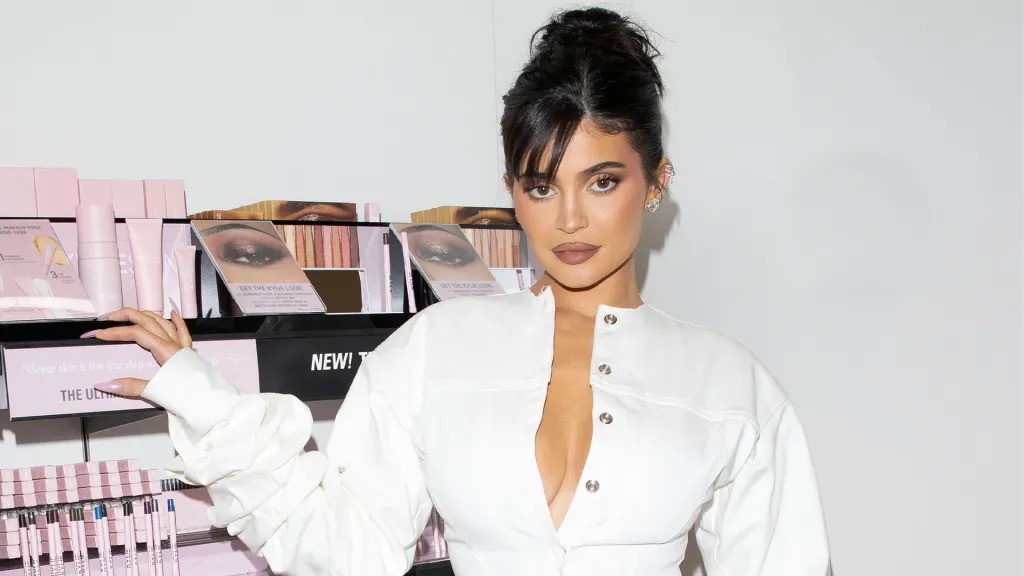
In June 2024 Kylie Jenner released a lip line at Ulta Beauty inside Target, making her lip items easier to buy. Key pieces like the Matte Lip Kit, Tinted Butter Balm and High Gloss sold out within hours.
Teasers, influencers and store events built big excitement. She used Instagram for reveals, TikTok for quick how-tos and live Q&A sessions so followers could ask questions.
6. Serena Williams And Nike (2024)
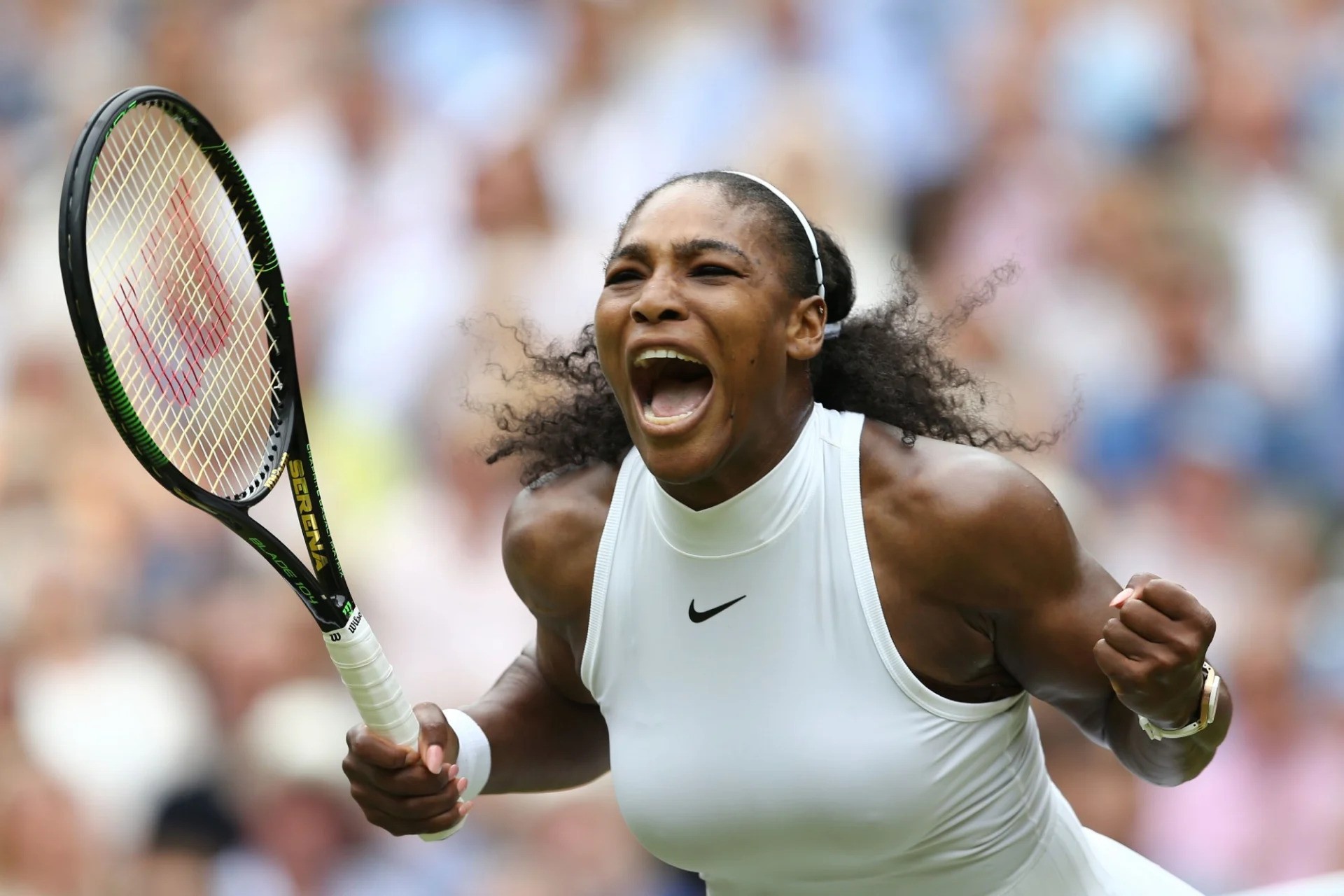
To mark her retirement Serena Williams and Nike debuted the Serena Legacy collection of sports and casual wear. An emotional ad voiced by Serena ran alongside tennis clinics and panels on women in sport where she made surprise appearances.
This raised sales by about 20%. Posts on Instagram, threads on Twitter and videos on YouTube showed her journey and young players inspired by her, creating wider support for female athletes.
7. Beyoncé And Tiffany & Co. (2024)
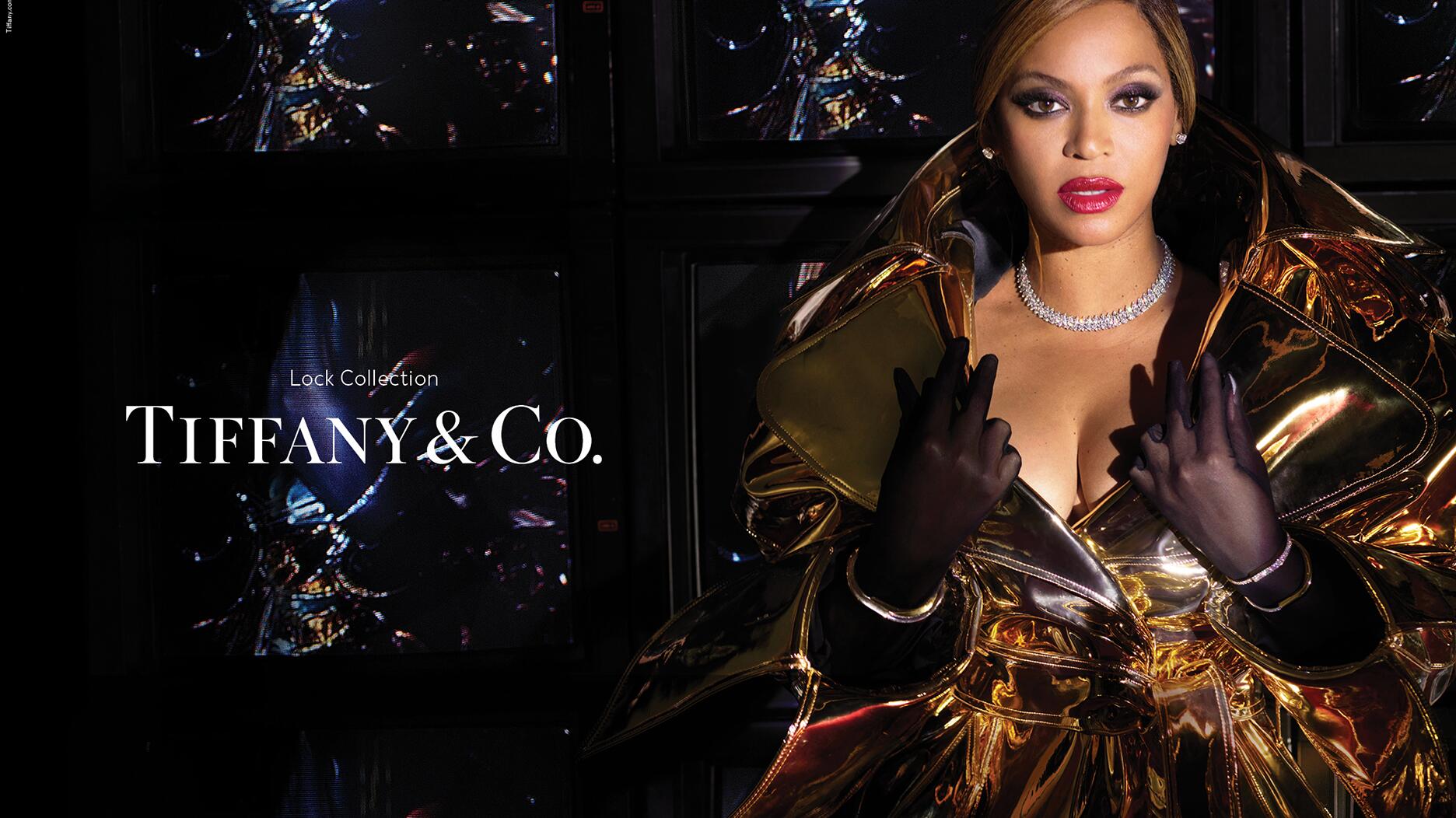
Beyoncé teamed with Tiffany & Co. for the Blue Legacy project, wearing signature jewelry in striking photos and donating part of the proceeds to arts education. Behind-the-scenes clips and personal stories made it real.
Her Instagram acted like a small gallery while creators on TikTok shared affordable looks inspired by the pieces. The charity tie-in gave buyers a sense of purpose with their purchase.
8. Harry Styles And Gucci (2024)

Harry Styles continued his work with Gucci in the Eclectic Elegance campaign, appearing in artful ads and helping design a limited collection.
The pieces focused on gender-free styles and accessories and sparked a TikTok outfit challenge that urged fans to post their own looks. Millions of videos turned customers into unpaid promoters and pushed Gucci’s sales among younger buyers up by roughly 30%.
9. Dwayne Johnson And Under Armour (2024)
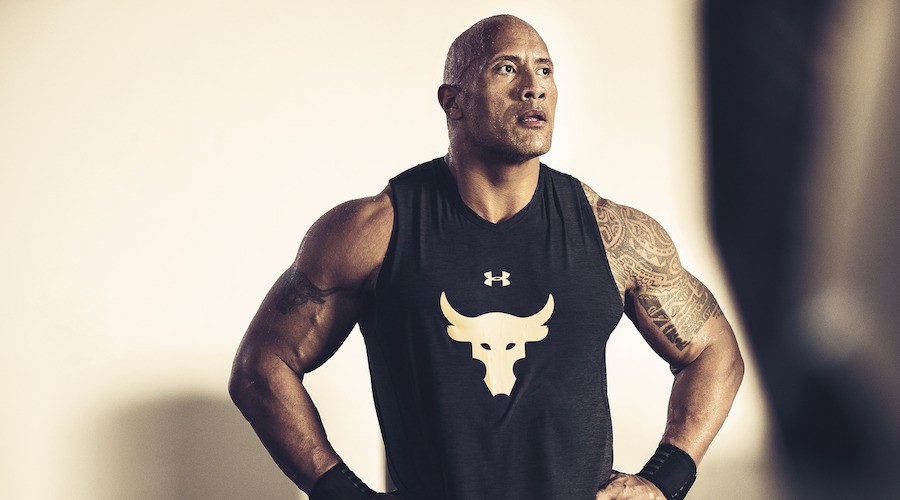
Dwayne "The Rock" Johnson continued his successful partnership with Under Armour in 2024 with the release of the "Project Rock Legacy" collection, showing Johnson's journey from athlete to global superstar while pointing out themes of perseverance and hard work.
It featured performance gear and fitness challenges that pushed followers to join in, helping Project Rock sales jump 25%. Johnson shared workouts and personal posts on Instagram, turning each drop into a community moment.
10. Travis Scott And McDonald's (2020)
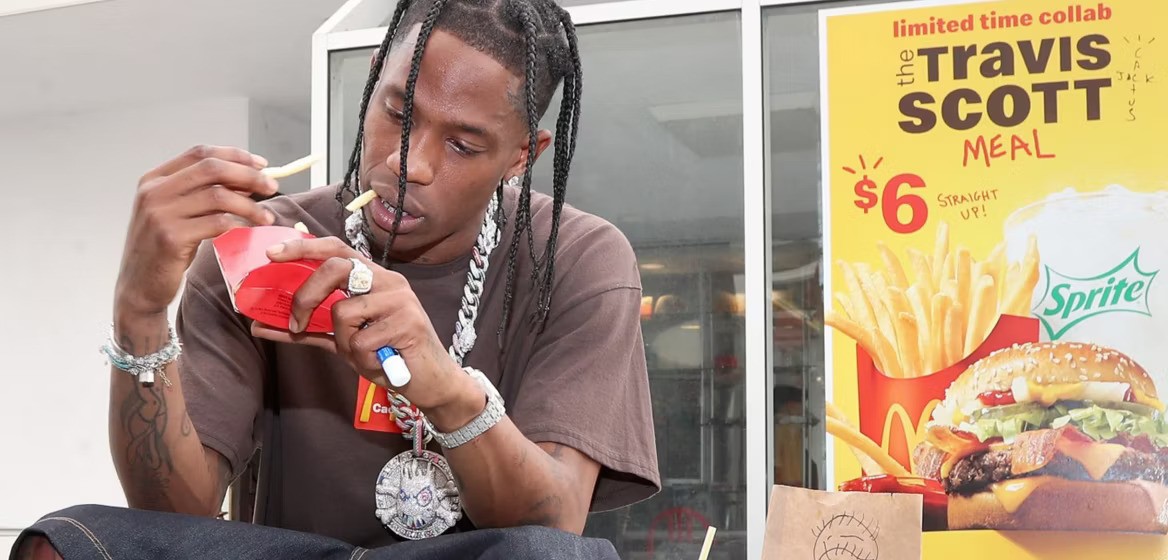
When McDonald's teamed up with American rapper Travis Scott in September of 2020, the meal they created, called "The Travis Scott," became so popular it created supply shortages wherever it was released.
Not only did the meal become one of the chain's bestselling items, but Travis Scott earned about $20 million from endorsements and product sales. The Travis Scott meal also became a clear example of how to create social media content, driving so much online demand that outlets ran out of supplies when it launched.
11. Amy Schumer And Tampax (2020)
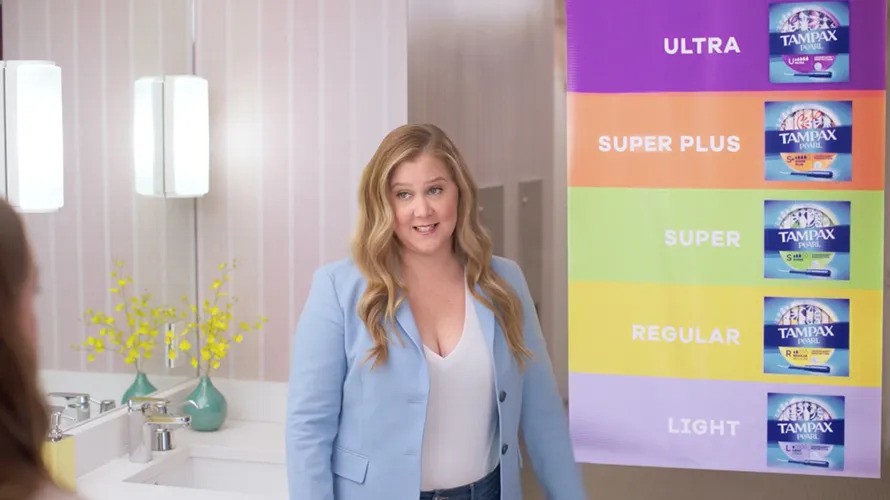
Stand-up comedian and actor Amy Schumer joined forces with Tampax in July 2020 to educate others on periods, releasing a series of YouTube videos featuring Amy Schumer talking about personal health and hygiene.
Known for her blunt humor, the videos managed to be both entertaining and heartfelt. The campaign titled "No Shame In Our Tampax Game" saw great success as it went viral across social media, effectively educating audiences on a touchy topic.
12. Shaquille O'Neal And Papa John's (2020)
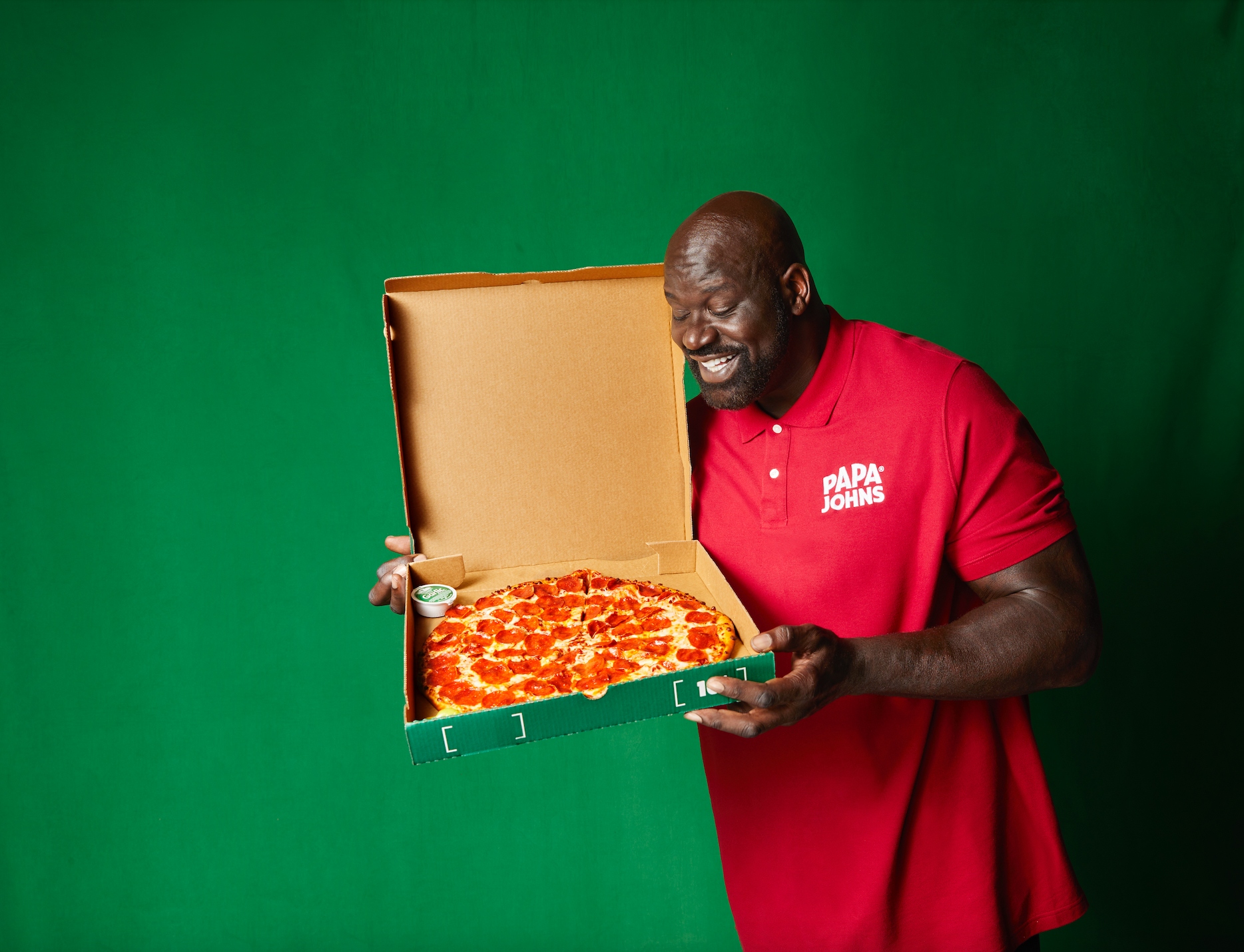
In June 2020, Shaquille O'Neal partnered with pizza chain Papa John's to create a specialty pizza, The Shaq-a-Roni pizza that O'Neal pitched himself, selling over 3 million units and raising 3 million dollars for charities within two months.
Beyond the product itself, O'Neal used his massive social media following to promote both the pizza and the charitable cause. Instagram posts showing him delivering pizzas himself, Twitter interactions with fans and TikTok videos of him making pizzas created real moments that traditional advertising couldn't create.
13. Chrissy Teigen And Blue Apron (2018)
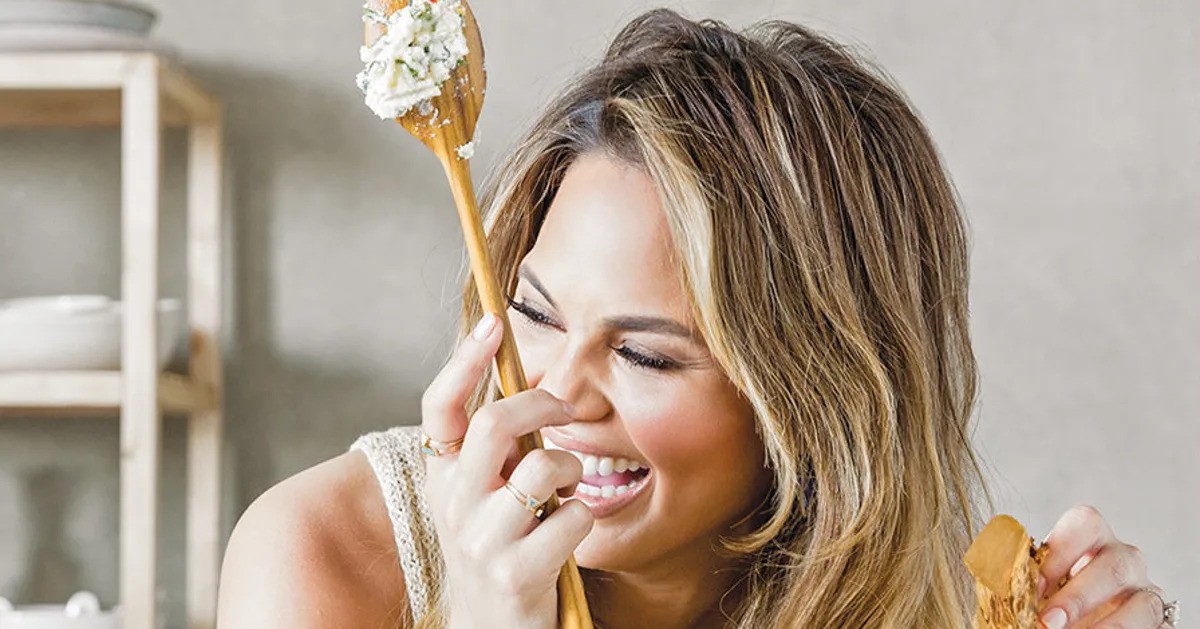
Model and television personality Chrissy Teigen used a successful Blue Apron endorsement to promote her cookbook just before its release, with her own hand-crafted recipes featured for a period of time in June 2018.
Teigen's existing reputation for posting beautiful food pictures on Instagram made the partnership feel natural rather than forced. Her real passion for cooking, demonstrated through years of social media posts, gave the collaboration credibility that audiences trusted.
14. Snoop Dogg And Corona (2020)

When famous rapper Snoop Dogg paired with Corona in August 2020, an ad starring him and Puerto Rican rapper Bad Bunny aired during the Golden Globes, featuring bold costumes and a quirky shell phone. He earned $10 million for the deal and the campaign's social media impact stretched beyond the TV spot.
Twitter reactions, Instagram memes about it and TikTok recreations kept it trending for weeks. The partnership worked because his laid-back persona matched Corona's beach lifestyle, producing chemistry audiences recognized across platforms. Discussions about the ad often mentioned Snoop Dogg's net worthas context for the size of the deal.
15. Patrick Stewart, Mark Hamill And Uber Eats (2020)
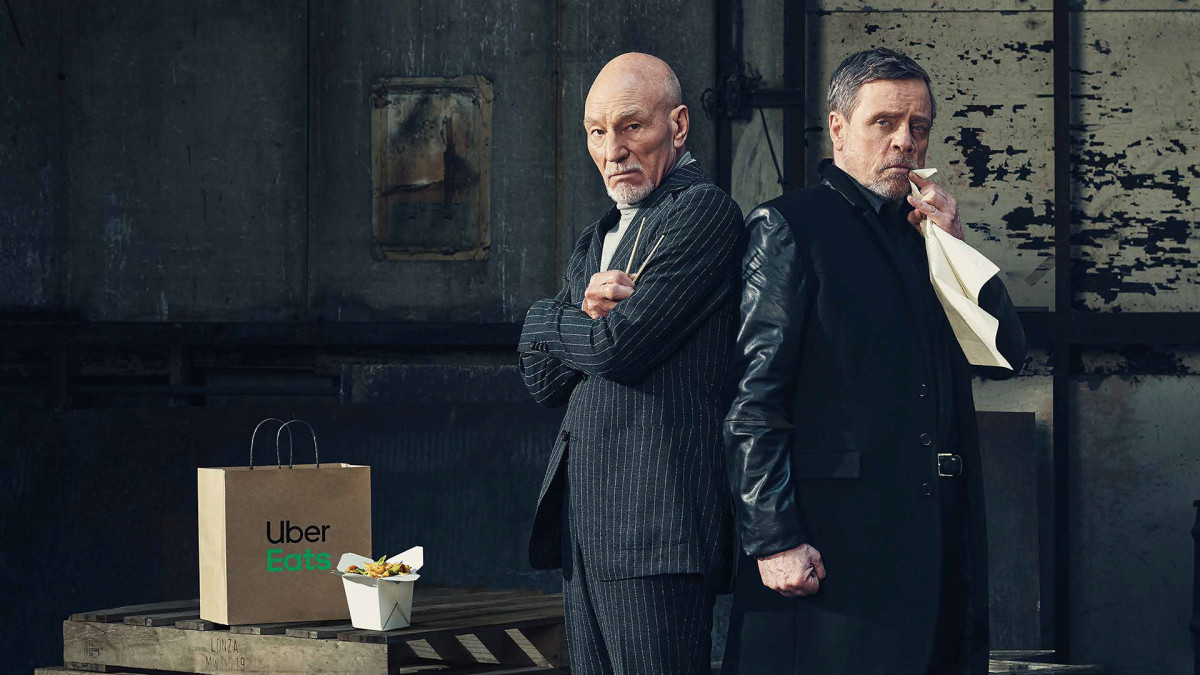
Patrick Stewart, famous for his role as Captain Jean-Luc Picard in Star Trek, went neck-in-neck with Star Wars actor Mark Hamill in September 2020 in a cross-over commercial for Uber Eats where they fought over the proper way to say "tomato".
Critics talked about at the tongue-in-cheek humor and social media increased the entertainment value. Twitter exploded with "Star Wars vs. Star Trek" debates, Instagram memes featured stills from the commercial and YouTube reaction videos extended the campaign's reach far beyond paid media.
16. Naomi Osaka And Beats By Dre (2020)
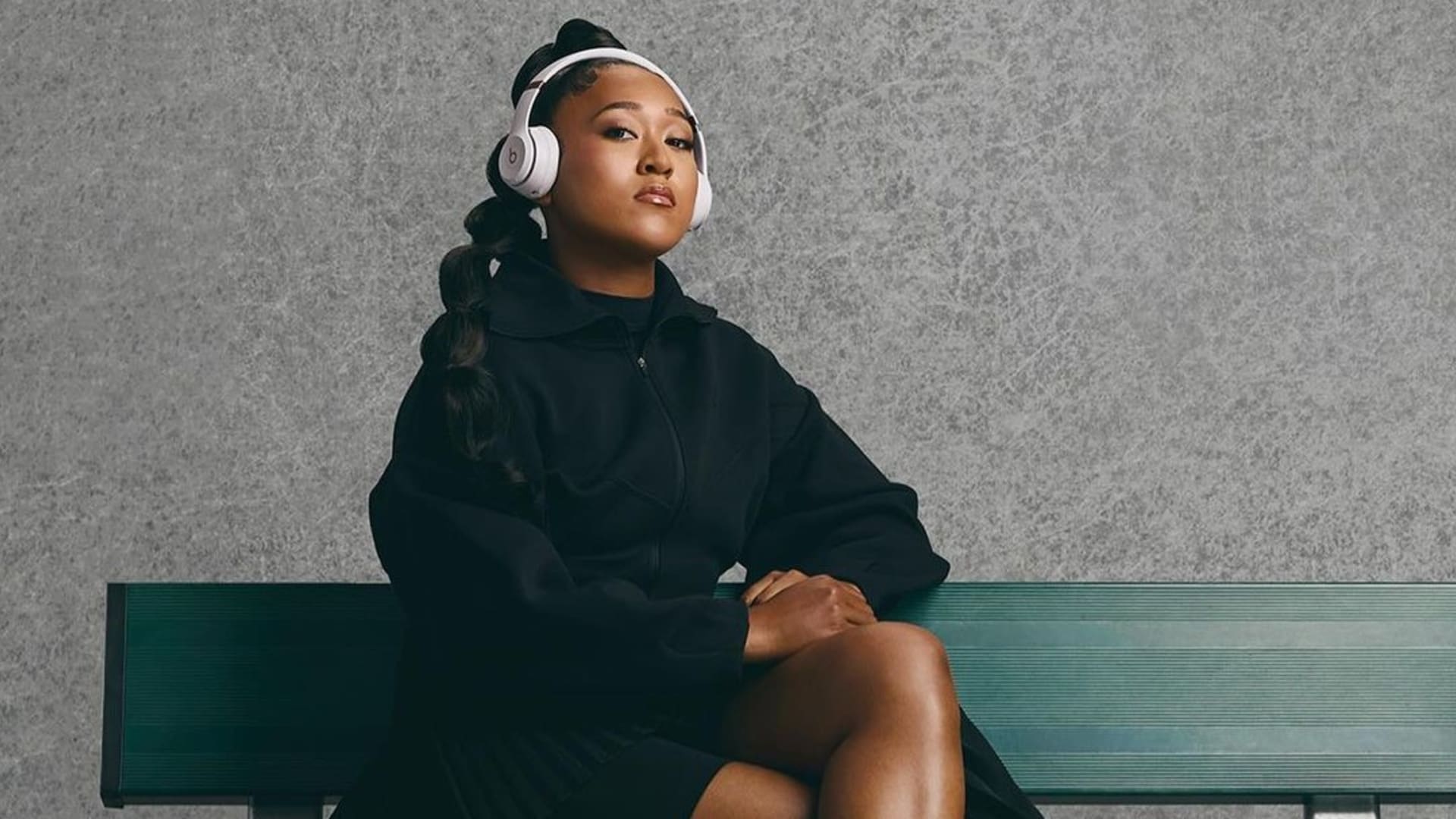
For the second time in November 2020, headphone company Beats by Dre endorsed tennis player and political activist Naomi Osaka, resulting in a very interesting commercial with a powerful message: "Silence is Violence".
Osaka used her platform to speak about important issues including Black Lives Matter. The commercial went across social media not just as product promotion but as social commentary, generating millions of shares, discussions and media coverage.
17. Eva Longoria And L'Oreal (2020)

In May 2020, haircare brand L'Oreal teamed with soap opera actor and producer Eva Longoria to create a series of useful how-to YouTube videos promoting the brand. With long luxurious hair, Eva Longoria was a perfect fit for the endorsement.
The YouTube series provided genuine value to viewers through tutorials and tips, creating content that audiences actively sought out rather than avoided. The campaign showed the power of educational content in celebrity collaborations.
18. LeBron James And Nike (Ongoing)
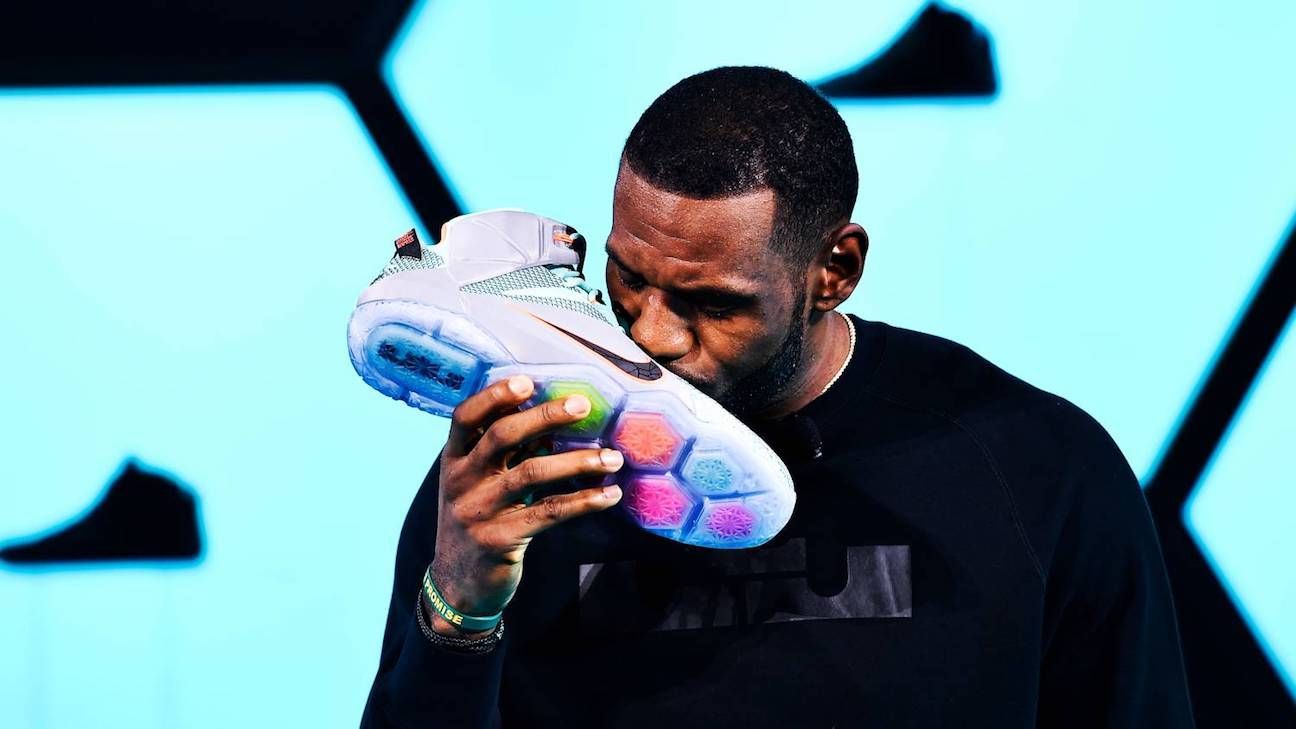
While after LeBron James signed with Nike, the company saw a significant increase in their basketball shoe sales, the partnership's continued success stems from LeBron's real social media presence and true passion for the brand.
LeBron regularly shares training videos wearing Nike gear, posts motivational content aligned with Nike's brand values and engages with fans about product releases. His Instagram and Twitter accounts function as extensions of Nike's marketing team, but the content feels real because LeBron has been truly associated with the brand throughout his career.
Reasons Celebrity Partnerships Worked On Social Media
- Real Alignment - Every successful collaboration featured celebrities whose personal brands naturally aligned with the products they promoted. Ryan Reynolds' humor matched Mint Mobile's marketing style, Harry Styles' gender-fluid fashion choices perfectly suited Gucci's eclectic aesthetic and many more.
- Multi-Platform Strategy- None of these collaborations relied on a single platform. For example Taylor Swift used Instagram for visual storytelling, Twitter for direct fan communication and TikTok for viral moments.
- Behind-the-Scenes Content- The most engaging collaborations shared content showing the creative process, personal moments and true interactions between celebrities and brands. Zendaya's behind-the-scenes Louis Vuitton content and Dwayne Johnson's personal fitness journey posts all gave audiences access to the human side of business partnerships.
- Interactive Elements- Harry Styles' Gucci TikTok challenge, Under Armour's fitness challenges with Dwayne Johnson and McDonald's Travis Scott meal created opportunities for audience participation. When fans could engage with campaigns rather than just observe them, sharing skyrocketed.
- Timing And Cultural Relevance- Naomi Osaka's social justice messaging and Amy Schumer's period education all tapped into culturally relevant moments. Brands and celebrities who understand the current conversation can position their collaborations as contributions to broader discussions .
Measuring ROI From Celebrity Social Media Partnerships
Numbers To Watch
- Engagement on celebrity posts that name the brand.
- Follower gains during the campaign.
- Website visits from social links.
- Conversions from links the celebrity shares.
- Hashtag reach and use.
- Amount of customer posts about the campaign.
- Earned media value from online conversation.
Qualitative Effects
Look for changes in how people talk about the brand, shifts in public feeling and stronger cultural fit. Ways to check this include reading comment tone on celebrity posts, reviewing the context of brand mentions, comparing share of voice in the market, and surveying target audiences about brand image.
Short-term Spikes Versus Long-term Value
Single posts can cause quick sales rises. Ongoing partnerships build lasting reputation and trust. Long relationships, like Ryan Reynolds with Mint Mobile, LeBron James with Nike and Harry Styles with Gucci, tend to add more value over time.
The Future Of Celebrity Partnerships On Social Media
Honest Voices Win
In 2025 people trust posts that feel real more than glossy ads. Influencers and stars who show their true side form stronger bonds with followers. Companies are choosing longer, steady ties with creators who share their values.
Small Moments Beat Big Launches
Short, natural posts often do more than long ad campaigns. A casual story or quick clip can feel more believable than a polished commercial. The best deals fit into a creator’s everyday life.
Deals That Do Good Matter
Audiences expect collaborations to have a positive effect, like supporting causes, cutting waste or helping communities. Partnerships with real impact get more attention and are shared more.
Digital And AI Talents Join In
Brands will mix real people with virtual characters and AI helpers. AI Characters in social media marketingwill increasingly appear alongside human creators, and no matter the format, fans will look for honest feeling and clear value from every partner.
FAQs About Celebrity Collab's In Social Media
How Do Brands Check If A Celebrity Partnership Worked?
Look at many signs. Start with likes, comments, shares, and traffic to your site. Track direct sales and coupon uses. Check follower growth and what people say about your brand. Over time watch steady sales and brand perception. Use analytics, sales figures, surveys, and reading comments to get the full picture.
Should Brands Work With Celebrities Or Micro-influencers?
It depends on your goal. Big names give wide reach and fast attention but cost more. Micro-influencers are cheaper, often have higher engagement, and reach niche buyers. A common approach is to use a big name for awareness and many smaller creators to drive trust and conversions.
How Long Should Celebrity Collaborations Last?
Match the length to your aim. One-off posts can boost a launch. Six to twelve months or longer build stronger brand ties and trust. Long relationships create deeper recognition, while short tests let you see results before committing to more.
Which Social Platforms Work Best For Celebrity Collaborations?
Choose platforms where the talent is active and your audience spends time. Use Instagram for visuals and lifestyle posts, TikTok for short viral clips, YouTube for longer stories, and X for fast conversation. Often a mix of platforms works best, using each for its strength.
How Can Brands Protect Themselves Legally In These Deals?
Use clear contracts that cover approvals, exclusivity, payment, posting schedule, disclosure rules, who owns the content, and how to end the deal. Include crisis steps for controversies and state what happens to content after the partnership. Have a lawyer with influencer experience review the agreement.
Can Small Businesses Use Celebrity Collaborations Too?
Yes. Look for local stars, niche celebrities, or rising talent. Offer product swaps, smaller fees, or equity if that fits. Build direct relationships with thoughtful messages rather than cold pitches. Often smaller names who truly like your product give better results than a big name that has no connection.
Final Thoughts
In successful star-brand partnerships the star should be a good fit. Campaigns run across several platforms and use each one well. Interactive features get fans involved and when a campaign connects with culture, it feels like part of a conversation.
On average, firms see about a 4% rise in stock value and revenue after naming a famous endorser. The examples here saw 20 to 50 percent revenue gains, millions in unpaid publicity and cultural moments that outperformed regular ads. The future belongs to companies that treat celebrity ties as real partnerships.
Also Check Out: How To Become A Freelance Digital Marketer